Convalescence

I turned forty-one. Not the milestone celebration I had last year, singing my heart out with loved ones in a sake bar, but a quiet, soulful Sunday recovering from jetlag and the “spring forward” time change. I woke up with an urge to jump into the lake (in a happy way!), despite the fact my birthday falls inarguably in the lion’s end of March. 

Throughout the winter, a group of brave swimmers caught my attention on Saturday walks near the beach. I noted the daring tuque+swimsuit combo from the recesses of my hood; vivacious laughter leading as they jogged from the shoreline to some sort of sauna set up by the road. I love a good thermal spa; but Lake Ontario, which I’ve begun to think of as a sea, seemed an aggressive masseuse, judging by the brightness of their pinked limbs and noses. By my birthday, the winter freeze (and my curiosity) had thawed enough that the idea of a cold plunge felt exhilarating. 
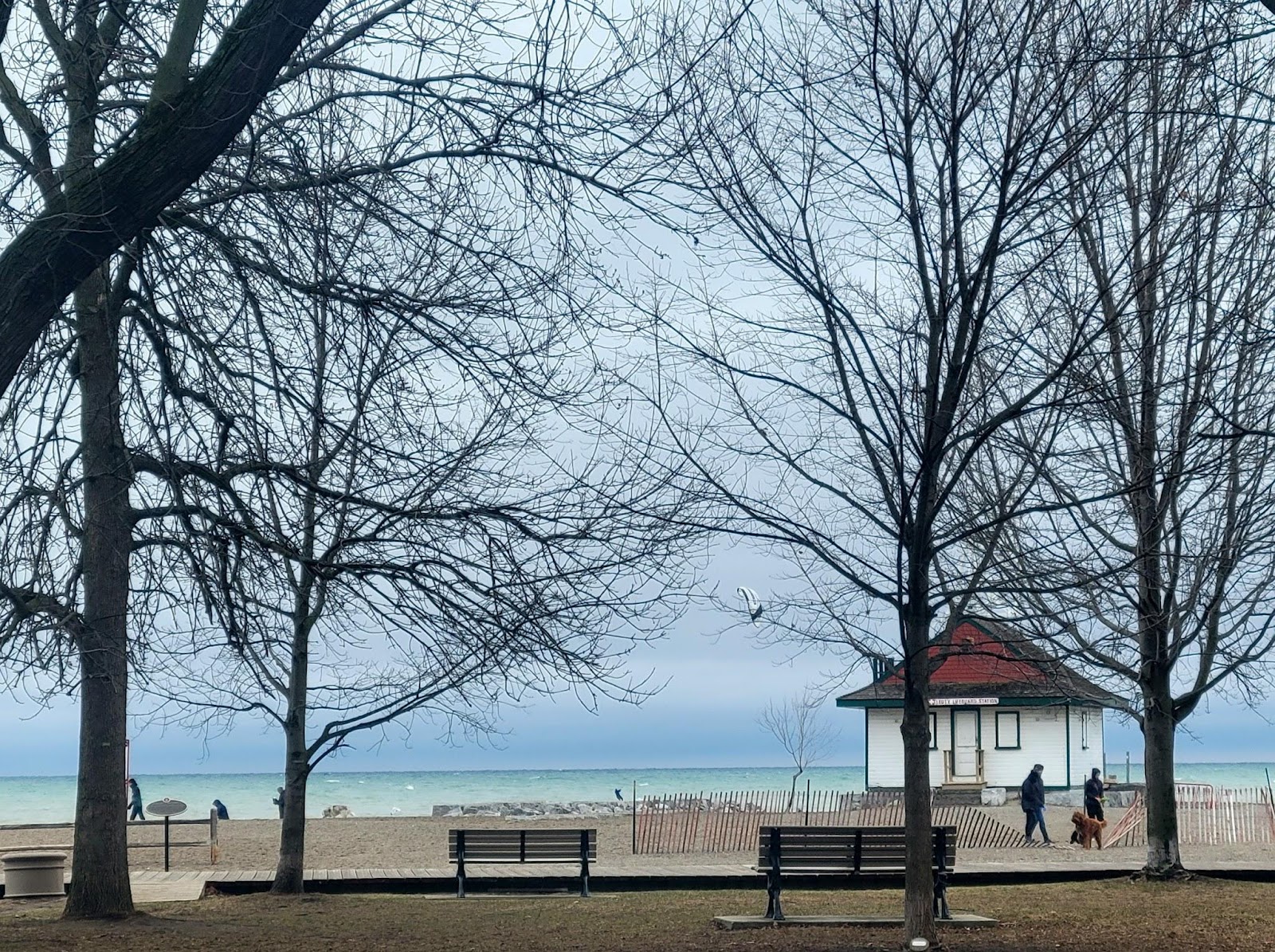
Leuty Lifeguard Station, Kew-Balmy Beach.

It helped that we had just spent a week in Barcelona (hence the jetlag), and dodged the tail end of the snow. A beautiful place by all reports, something expansive relayed in the looks and tones of those who have been. Although I’d been wanting to visit for over a decade, I don’t think I could have gone any sooner, or younger. I needed to visit on the cusp of forty-one, at this time of my life when I have been unfurling like a moth. A city of artists, of architecture, of spiraling, scintillating, boundless exploration. It would not have hit me as hard, stayed with me as deeply if I had visited in my previous life, the one in which I could not imagine myself one of them – an artist. 

The difference in me at forty-one to forty is subtle but profound. I liken it to the single grey hair I’ve sprouted and feel strangely maternal towards. Last year, having freshly quit my job, I wore a mask of relief and resolve. Despite knowing – and preaching – the rightness of my decision to leave healthcare, I felt as if I were merely on hold, a convalescent managing the burnout that had left me barely able to walk. Throughout the year I’d see job postings, and tell myself the time I’d taken off to date was sufficient. Just apply, and wouldn’t that be a tidy thing to tell folks later? Just kidding, I’m back. I’ve still got all my legs and caterpillar bits. Something that could hide inside the phrase, it was all just a dream.

But the current of the truth was there, below the surface of my days. I was afraid to acknowledge it, and covered it up with projects and grand ideas. I would create a business. I would write every day, two hours a day – clinician turned equity specialist turned published author, a six-month hiatus all that was needed to launch my next success story. I thought about going back to clinical work, with encouragement from old colleagues and potential clients. There were things I thought I’d be good at, great at. But it took all those garden paths to realize that what I wanted to do –  what I, in my soul, needed to do – was write. 

What can one change in a year? I can’t tell you that writing has been my priority, even as I have recognized it as a calling. Despite my restlessness, this year was dedicated to healing the house that carries me. My bones, tendons, and hormones were the foremost state of affairs. By the time I finally committed to leave my work, I was in such intense pain that I had lost mobility in my hands, was unable to carry my toddler up and down stairs, and woke up hobbling as my joints screamed with inflammation. I needed rest. My nervous system, keyed up from decades of overwork, protested this change of pace; as much as I tried to relax, it grasped and leaped and clung to new opportunities. It filled the void so necessary for my recovery with schemes of reinvention.

It was a year in which I learned that writing a novel doesn’t happen in two-hour shifts at a computer each day. At least, it doesn’t for me. On encouragement from a friend, I was assessed and diagnosed with Attention Deficit Disorder (ADHD). The validation I feel that my brain operates in a functionally different way has helped me relax. It allowed me a new framework of compassion for myself, and I look back on my years of striving and see that I was held together with self-criticism, anxiety, perfectionism and shame. I lived an entire life on the knife’s edge of impostor syndrome. It is no wonder that a breakdown was fated for me.

A year of rest and integration. Despite not meeting my self-imposed requirement of two hours daily writing, I surprised myself by attending yoga classes nearly every day. My practice has evolved over fifteen years, especially during my yoga teacher training (completed with a torn hamstring and all the gifts of a global pandemic). It has come to invert all the typical elements of pace and sequencing into a deeply intuitive moving meditation, and over this past year has become a sacred personal therapy. I found an acupuncturist who sees my pain, who has led me deeper into healing than I’ve experienced in decades of seeking help. I discovered the “thermal cycle” on a visit to a nearby spa, and experienced the aching, tingling benefit of cold water in my arthritic joints. It was this discovery that encouraged me to find out more about those giddy dippers defying winter’s grip.

By my birthday, the gritty snow is receding. A tranche of mud and straggly grass is visible at the end of our small lawn. A layer of thick, glassy ice is melting the slowest, closest to the soil but holding hard over the promise of spring. I see it now, with the temperature creeping up, losing its hard edges and softening into curves, more a shield than a blade. I imagine water molecules intermingling as they cross the gradient of state, solid to liquid and sometimes back. I am fascinated with the idea of a thaw: this overlay of what has been frozen, flowing and mixing into an environment entirely new. These molecules are not just being released into the world that they used to inhabit, months ago in the fall. There is new growth, burgeoning beneath the surface. There is debris, blown in through storms and revealed on sunny days. All of it forms the slick of the mud beneath, around which these newly released rivers flow. How do I integrate parts of myself old and new? I am thawing from a lifetime’s accumulation of memories, thoughts, and beliefs that crystallized into a self. What do they create – freshly uncovered, perhaps newly seen in the light of compassion – in the fertile soil of my present life? 

I am thawing a writer, who at six years old stapled together paper storybooks. Who kept a small journal, letters askew, noting her mother’s cancer diagnosis and the lies of a schoolyard friend. The girl who felt shyly elated as her fifth grade teacher told the school they’d see her name on the spine of a book one day. She lost a part of herself on the path to higher education, convinced she was duty-bound to set aside the arts. Who is she now? With a life dedicated to the field of healthcare, a body healing from chronic injury and pain? What does it mean to resuscitate the breath of life into that dream? To write, midlife, knowing a career may never come of it, is potency. It’s freedom.

To be forty-one is, to me, a penultimate age of sorts. I approach the year my mother’s life ended. I used to swim in a blackness around this thought. I couldn’t bring myself to picture a life beyond forty-two, as if I could avoid the pain of disappointment should I get sick and leave this world with unfinished love and work as she did. In Barcelona I became enamored of Antoni Gaudí. The Basílica de la Sagrada Família impressed me beyond my expectations; the architect’s vision, philosophy, and reverence for nature drew me in. I gasped upon reading that, after forty-three years* of working on the basilica, Gaudi was killed in a tram accident. Inessa immediately pursued with questions. “Why isn’t the church finished, Mommy? Why couldn’t the artist finish his art?”

Sidebar 1: An unexpected challenge this trip was to find language digestible for the inquisitive 3.5, whose “why’s” proliferated beneath the statues of catholic liturgy. I landed on… “Mommy feels sad that the artist died by accident, before he could finish his art.”) 

Sidebar 2: *imagine if it had been forty-two? How poetic for me.
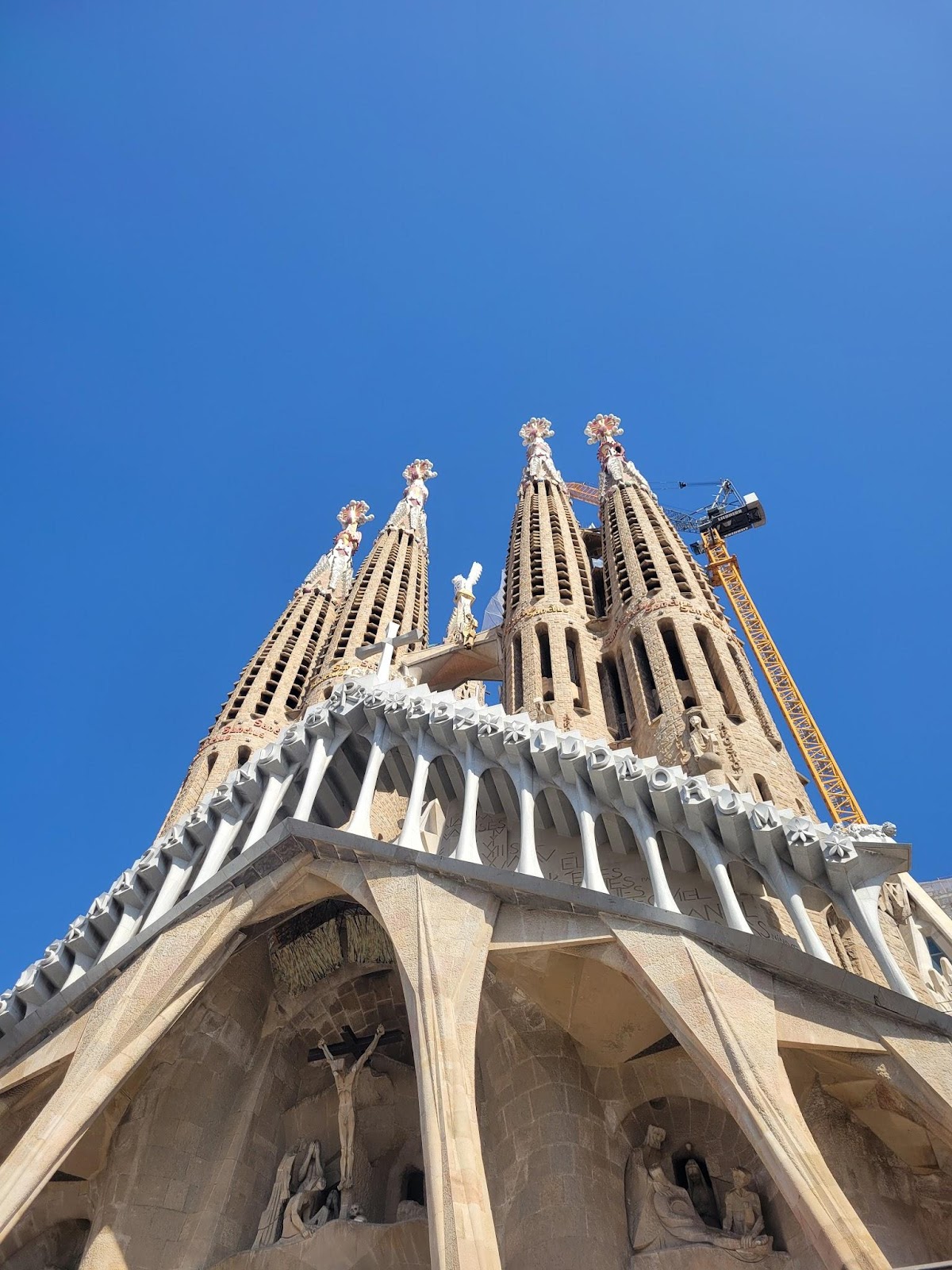
Towers of Sagrada Família, Antoni Gaudí’s life work.

At home, among souvenirs of inspiration, the thought brings me a measure of comfort. After all, it was Gaudí himself who said that he was not worried about the construction of the church extending beyond his lifetime, being influenced and shifted by the ideas of architects other than himself. He saw it as a testament to the ever-living and changing nature of faith, of God, of life. So perhaps I am projecting this pain of a shortened life onto him. 

Similarly, I don’t know what my mother felt as she prepared for her own death, which included writing out meal plans for my father to keep her young daughters healthy, and making cassette tapes for us to know her voice when breath no longer sustained it. I don’t know if she was sad, or if her faith allowed her to move beyond this world with grace. I only know the pain of longing for her physical presence in my days. The ache of wishing for her to know me and understand me as only a mother can. The bittersweet rush of tears when a flamenco guitarist, demonstrating Eric Clapton’s preferred guitar, surprised us with a rendition of her favourite song, Tears from Heaven. I imagine that my mother felt the same overwhelm I do when I look at Inessa and imagine I could be separated from her without end. I don’t know. I will never know. Forty-two has always felt like a number too cruelly short for a life. And now, I’m only several hundred days away. 

It feels different. Perhaps with this new life, built on the resurfacing of an old dream, that dread is melting into hope. Everything at forty-one feels fresh, like baby steps into an unknown world. At forty, I was still tethered to who I’d always been trying to be: a success, a leader in my career, a change-maker with something to prove. I was in a hurry, driven by fear of failure and forty-two, as if I could rest and reinvent myself in a prescribed amount of time; as if I were merely airborne between one trapeze and the next. I haven’t been airborne though. I have been composted into the soil. I am at the mercy and influence of the choler of winter, of the spring which will come in its time.

Barcelona’s artists wiped me clean. I took in wide-eyed the jeweled lightbox of Palau de la Música Catalana, built to lift the voices of Catalan factory workers in chorus, designed like a dazzling sunburst in a garden of glory. I marveled at the iterative experimentation of Picasso’s craft. He lived to seventy-three, and I hope that he didn’t feel unfinished, because I imagine each idea became a new lease on life. I swelled in the drumbeat of the flamenco performance, Inessa holding her ears yet persisting on the promise of an ice cream. I needed this trip now. I drank in the city’s love for its creatives. I found quiet balance meeting my little girl’s needs with afternoons in playgrounds, and slowly taking in art museums as she napped in her stroller. I was not in a hurry to be anything. I surrendered to the wonder of witness, allowing myself to … allow, myself.
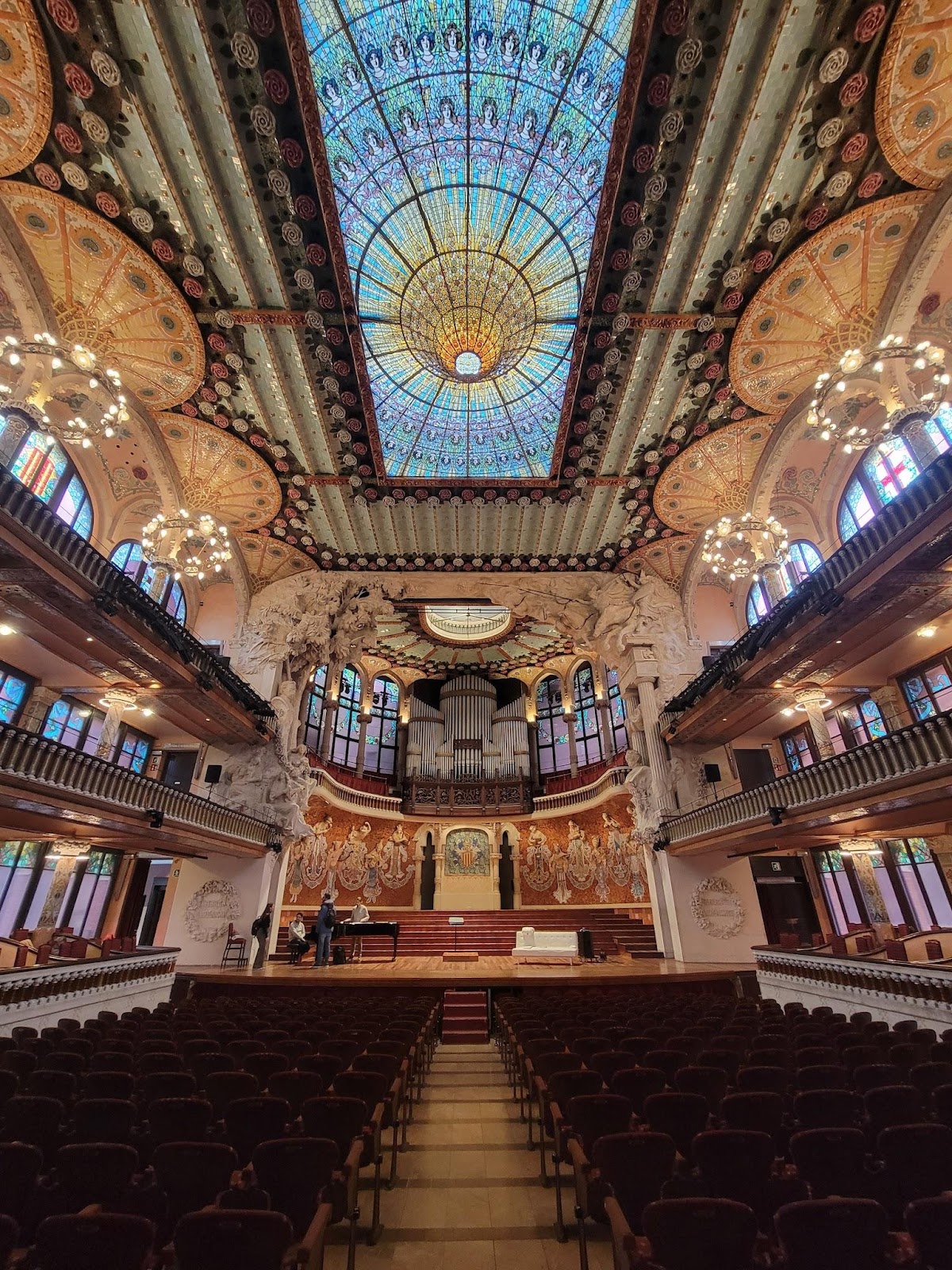
The main concert hall of the Palau Música Catalana, with it’s “glow worm” stained glass ceiling.

I have always cherished my independence. In fact, I have prided myself on it in unhealthy ways, driving myself to do alone and to extreme what could have kept me connected to others. Grieve, alone. Lift, carry, traverse this world – alone. I love so many people. But I have kept in my heart a compartment, a space and distance in which I could hide in case of betrayal and disappointment. It is a space in which I could perversely comfort myself with the foreknowledge that I’d always been alone, so I could not be disappointed in others if they did not meet my needs. Something of this isolation is melting in me now as well. Inessa and I explored Barcelona by foot (and stroller), on a transit pass that took us from tram to bus to metro mostly with ease. Traveling with a stroller always gives me insight to the general accessibility of a place, firsthand experiences that highlight to me many disabling aspects of our public spaces. There were many moments in which I was tenderly grateful for strangers offering to help me carry the stroller up a flight of stairs, when the metro brought me to a station without an elevator (what would someone restricted to a mobility device even do?).

On one particular bus, carrying one other patron, I attempted to manoeuvre the stroller from the exit doors onto the curb; a gap, easily crossed with an able-bodied step, confounding to me with my sleeping child and stroller wheels. She dropped – with my heart and stomach – the wheels unable to cover the distance. They jammed for a moment in the slice of street between bus and curb. I gasped, and behind me, so did the gentleman also exiting at the stop. He helped me situate myself and the stroller safely, and I thanked him with profuse guilt and gratitude. But I was angry. Not with the city, or the bus manufacturers who could have made buses that lower or extend a ramp. Although that is true and worth advocating for, I allowed the anger to focus me on what I, in that very moment, could have done differently: I could have asked for help. Alongside anger was embarrassment. This kind stranger probably wondered what kind of mother I was, so hard-headed I gambled the peace of my daughter’s nap to try navigating the barrier on my own. Perhaps not. I know that criticism is my inner voice cloaked in the perceived judgment of others. But I allowed it. This resolute irritation with myself for not taking the easiest solution: asking for help.

I am not unlike so many others I know who are socialized with a deep, isolating, and arrogant fear of needing help. I felt it intensely during the year I worked at the hospital. I needed help, as a sleepless parent of a toddler who was frequently home sick from daycare. I needed help, because I was drowning in the workload of a system fuelled by urgency, scarcity, competition (capitalism). I needed time, space, recognition for the pain in my body that swelled and spiked, the depression trying to tell me I was in the wrong place, the anxiety that was flooding my system with cortisol and burning me up from the inside out. But I struggled with voicing these needs, convinced it was me that was somehow defective.

On the one hand, I can say yes, I needed those around me and the entire work culture to see my needs and recognize how deeply damaging it was to me and to others chewed up by its expectations. In fact, my work on the hospital’s accessibility file directly fought for this recognition. I saw my role as an advocate, before I began to see how I might be part of the 27% of the population that have a disability. I had only suspected my neurodivergence, but looking back now, I see how part of my struggle was being an ADHD peg in a neurotypical pegboard. I recognize the impact of my pain – chronic, fluctuating, invisible – as experiences common in the disabled community. There is humility and comfort as I accept my body, with its pain and need, knowing that it brings me belonging to a vast, strong and intelligent community of people the world over, who have existed and persisted since the beginning of humanity. Thawing this identity has meant allowing my narrow valuing of myself for my capabilities, my independence, my achievement of the societal ideal, to expand.

I have needs. It feels revolutionary to even allow myself this gift. I need hours a day to give my body the movement and therapy it needs to heal. I need to work in a way that keeps my brain chemistry in check. I need to recover from a lifetime of damage wrought by beliefs and ambitions I did not know better than to wield. This means rest. And asking for help.

I did so, with love. On every bus trip after that drop to the curb, I made eye contact, and with confidence and trust, I gestured with my haphazard Spanish to ask someone to help me manage the stroller. I used my voice to politely ask people to move so I could use the accessible/stroller spaces; I drew people from their phones and isolation to ask them to collaborate with me. I know some were disconcerted. I threw them for a loop. But I know I also made their day better. Why not? What is it to help someone? To connect with a fellow traveler, to be slightly inconvenienced so that I could also make my way through their city? 

I think the freedom and joy it gave me to ask for help was rooted in knowing that I belonged. Yes, I was visiting as a tourist, but Barcelona welcomes its visitors – come, see our buildings, taste our foods, let your heart be filled with the beating pulse of this place we love so much. I belonged because I let my heart be filled, and in turn love a place so brimming with life. I belonged, no matter how I could move around, no matter what I needed, and I think it is only now with the heart of an artist I can believe this and ask for help. In the same manner, I explained to the guitarist my heartbreak and joy to hear Tears from Heaven that day. To share my love, pain, grief, need – to connect, and be changed.
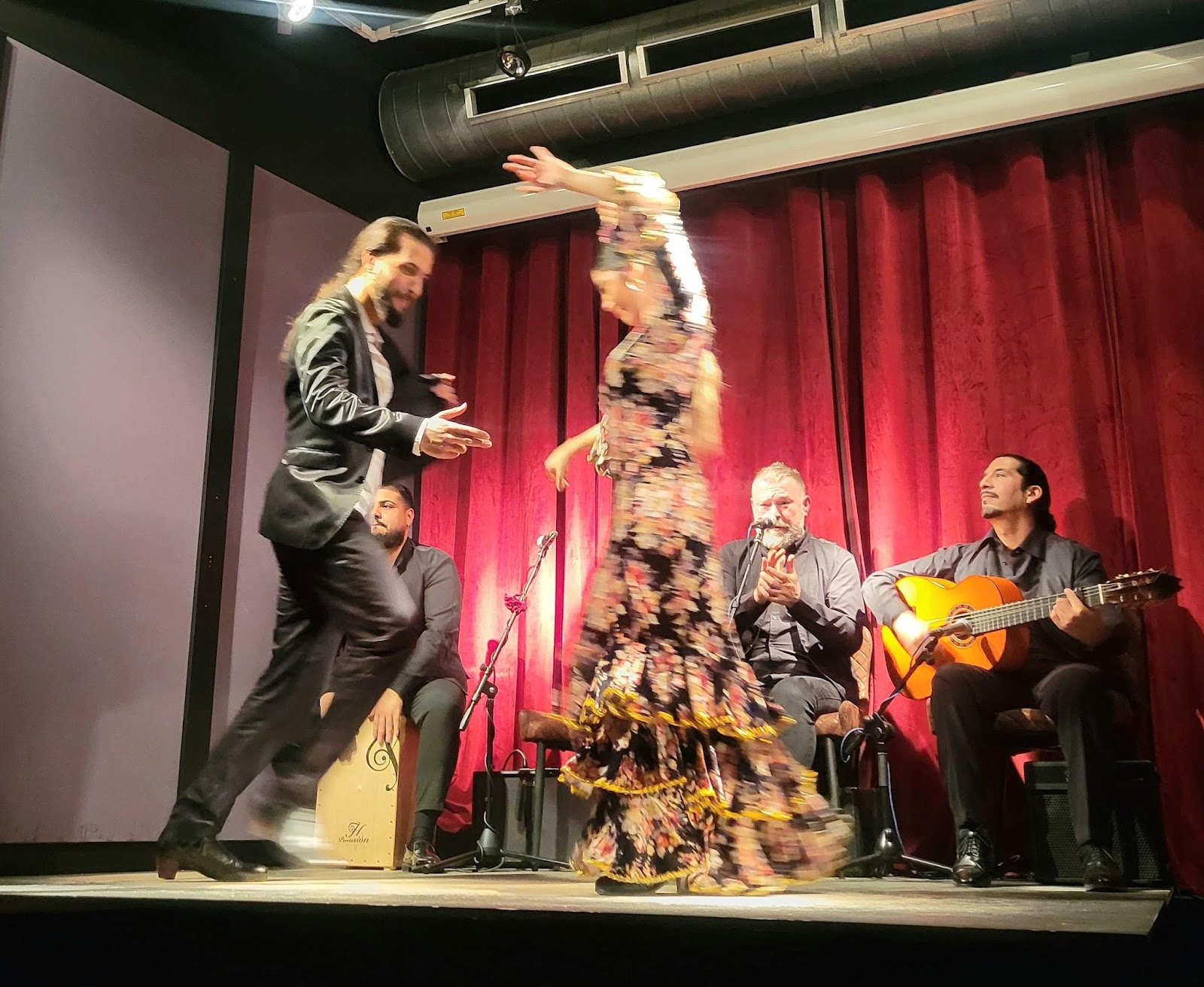
Flamenco Casa Sors. An intimate flamenco experience, with a guitar museum upstairs.

To be disabled is to be human. To live, ability notwithstanding, is to age; to age, a gift. To be here, a spirit in bodily form, a miracle. All the learning and eye-opening that I’ve been gifted through the disabled community (clients, colleagues, authors and advocates), has turned the soil that nurtures my self-acceptance. Asking for help, trusting and demanding that I be woven into the fabric of their city and their day, gave me access to a deep well of joy in humanity. I know that I bear incredible privilege in having a body and countenance that appear within the norms of accepted human variation; a keen sense of all the ways I “pass” on colonial terms. I can navigate the world with more ease and acceptance than can the vast majority of folks who identify as disabled. What I hope I can do, in this practice of asking for help and recognising the innate humanity of having needs, is my (tiny) part to dismantle ableism. I hope I can inspire a small measure of collective responsibility, and joy in subverting convenience, speed and independence for connection – especially in folks who never have to think about how they get through their days.

This acknowledgement of my own suffering is another floe that’s dissolving. Frozen long ago, without knowing, was my ability to grieve; to see my pain as legitimate and allowed. It is old enough to bear its own children. It has taken me so many spears, so many angles, to reach this deep part of myself, as the pain has locked itself within layer after layer – perfectionism, self-denial, overwork, achievement, people-pleasing and isolation, to name a few. To understand the impact of all these poisons on my body, is to see the sediment tarnish the spring melt – to see oil curling into the water and seeping into the soil. I grieve now. I cry out the pain in my joints. I forced the strangled voice of my past into the cold air as I surrendered to the frigid waters of lake Ontario. I pray the earth can hold all this mess. I give over to trust, that the waves will take my grief and leave me lighter with every day that I let my pain be known. I cannot be the girl I was, and hope to progress untarnished, even as I let these moments come undone after so long. I do not unfreeze into a child, but a woman with a child. I become something else altogether. 
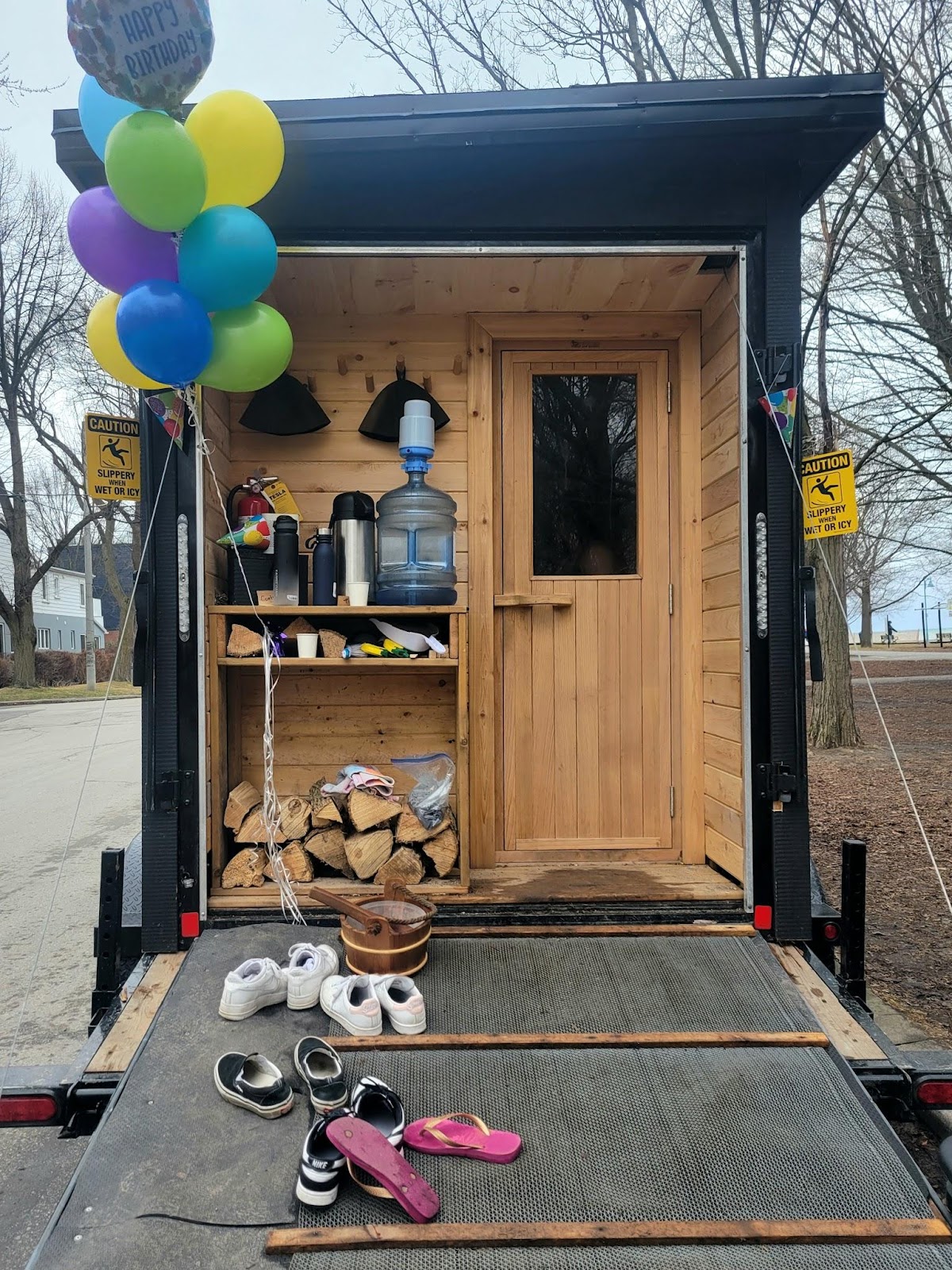
Sedar Sauna: birthday celebration for a community member. Yay March babies!

I learned that a lovely man named Matt built the sauna by the lake as an experiment, a hobby project hitched to the back of his truck. Hoping to inspire residents to get out to the waterfront, underutilized in winter, he showed up every Saturday to offer a space for the community to enjoy. Pay what you can, swim or no swim, share a space with your neighbours. As I nestled knee to knee, strangers shifted and chatted and held an invisible web. People would go in and out, some to the lake, or to breathe in the rain-flecked air, or just to allow someone else a turn in the crisp cedar heat. Although I had imagined myself performing this ritual on my own, I was drawn into their arms, celebrated for my bravery, and assured they wouldn’t let me attempt this feat alone. For safety, for love; whatever the case, I am glad my heart is soft enough now to have graciously accepted. I laughed and made friends, screamed and whooped at the glacial embrace of the water. I sent my crying heart into the waves, the vastness essentially a sea, witnessed and welcomed by beautiful weirdos just like me.

I feel baptized. I feel new. I feel scrubbed and scraped and bewildered by my luck, the immensity of my life a gift; a breath from naught to full. A part of me imagines that every day beyond forty-two will feel this precious, that I will live in holy gratitude. And then I remember that no day is promised; if I am granted enough life to reach forty-two, it will be no achievement. I can only lay each day I’ve lived on the altar of my life, grateful for the stones and salt and returning scent of spring. I am forty-one. 
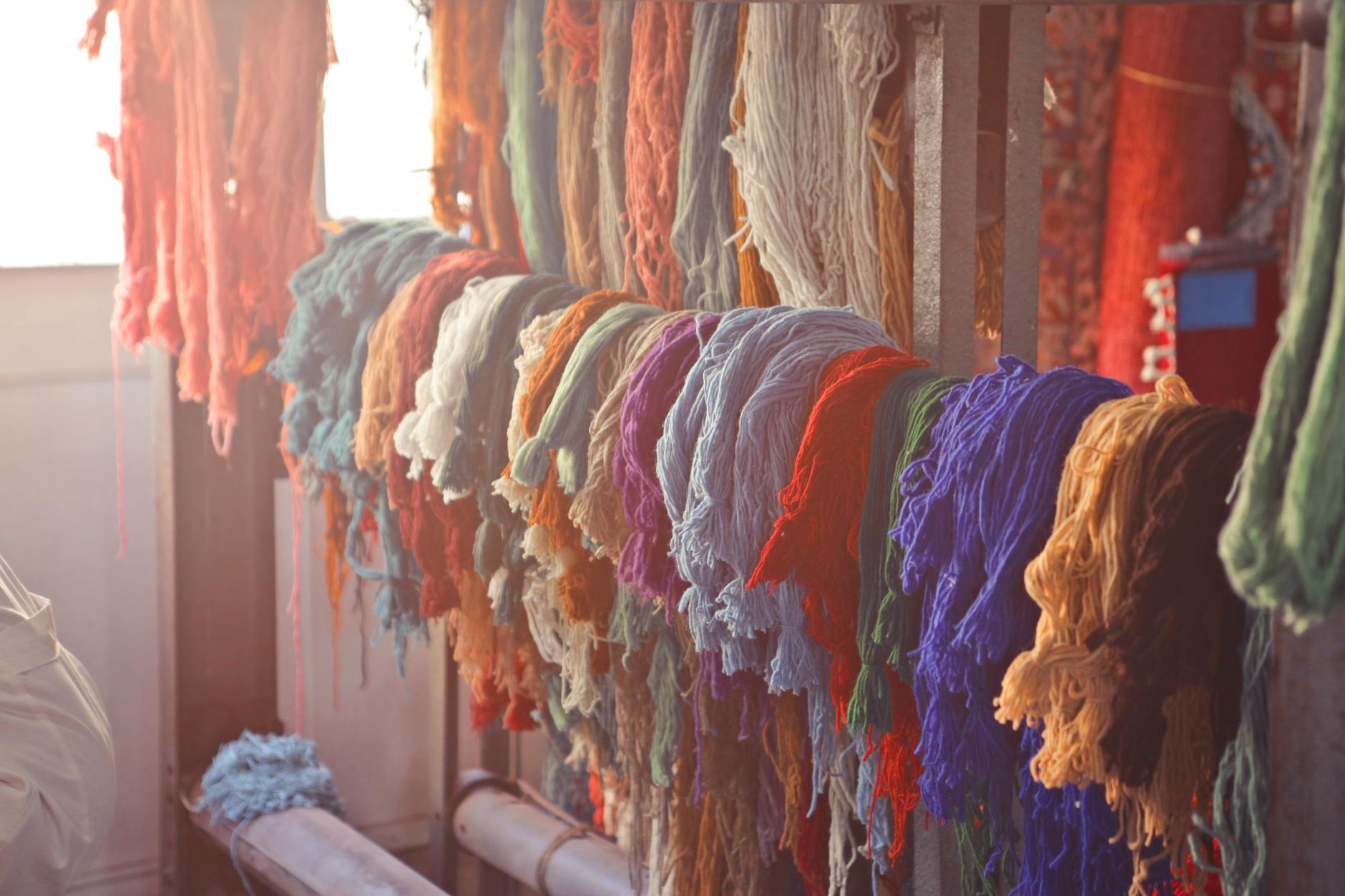
A Strand

I shared this small piece during a writer’s workshop, where I was one of two visibly racialized people in a group of nine.  The writing prompt was “Write about playing a game.”

Sau sau suka mahuli taYA! She squealed in giddiness as she snatched her pointer finger out of reach, mom’s hand grasping at air, trying to catch on in vain. Little Luz prickled with excitement, the giggles pealing from her, all wound up in the anticipation of being caught. “Hah! You’re fast, my Lulu girl.” Mama pulled her in close for a tight squeeze and chomped her cheek playfully. Louder happy screams ensued, as Luz wiggled and wriggled to right herself on the ground before her kneeling mom. “Again!”

Mama opened her palm and Luz tapped her tiny finger in rhythm to the syllables. Some of the only ones she knew in her mother’s language, but each echoed with the innocence and joy of a simple childhood past.
Sau sau suka mahuli taya.

Afterwards, though the group ground rules stated that critique was not the goal here, a fellow writer commented: “I like how you included the words from your mother tongue, I think the one thing I’d have liked to hear included was the translation.” I responded that I don’t know what the words mean, I only know the rhyme.

What do these words mean? Does it matter? What matters is that I have them, I know how they sound, how they taste in my mouth and how they land on my ear. They mean something about vinegar, something about dipping, but more than that they mean I kept something from my mother’s childhood, my village, my cousins, my innocence. The lovely older man looked lost in confusion. The sweet Irish facilitator laughed, perhaps nervously, saying there is room to develop in all of our pieces, perhaps implying I’d find out the translation one day.

But I don’t need to; I won’t. I have the rhythm, I have the game, I have the sweetness of this picture in my mind and the dance of the little phrase tapping in my heart. What I want them to understand, what they won’t understand, is what it means to have a strand of a language, a set of sounds joined to touch joined to love and laughter and culture and her. The frailty of it, like a single strand of her hair. The strength it gives me, to play this phrase in my mind like a needle plays thread, point and pierce and drawn and through.

Give me a writing group who can hold this tiny seashell of a piece. The ones who have also stuck fast to a string of their people’s words, opaque to their meaning but nevertheless infused with connection. This game bridged the language divide between my cousins and me, on that visit long ago when I left snow-covered sidewalks for tin rooves and tsinelas. We were the age that all children run and laugh and poke each other, but there we did it between the shopfront, where my auntie pulled ticks from between the puppy’s toes, and the ground pump where we pulled up water for washing. Running and tickling, shouting and squealing. Sau sau suka mahuli taya. I don’t need to know what it means.

Give me space to ask the question, did he critique me because of the otherness of these words? How inaccessible they were to him, a white man, whose piece about his time in the Vietnam war was both enlightening and dry. I’m feeling unfair – it’s more likely because he was late, and he may have missed the ground rules or misunderstood them. It’s hard not to wonder if, intentional or not, the non-English parts of my piece became a target. Or went over his head. Perhaps the idea of revering words that don’t convey precise meanings, ones that convey feelings and heritage and transport me to my mother’s arms, was lost on him. He may not know what it is like to hold onto the sounds of a language you wish you could express yourself in; to blanket yourself in them while your mothers, aunties and relatives weave laughter between ribbons of golden gossip and ruby-coloured chitchat.

Besides, he was wrong. Those words are not my mother tongue, they’re my mother’s [mother tongue]. My brain is wired to the same shapes and sounds as his: English. I am fighting myself to give him grace, he was late, he is old, he doesn’t know that my parents spoke English in our home – the language of their surrounds, the common adopted tongue they shared. I write in a language that has boarded ships. That forced itself into the mouths of migrants and subjects the world over. That signed deeds and declared dominion and dealt death and exploitation on a royal scale. I write in English about the languages I yearn to resurrect on my lips. I am fighting this spiral of defensiveness, because come on Thanya, it’s just a drop-in writing group. It was a suggestion, gifted I am sure out of helpfulness; innocuous. Benign.

What flowed out of me in that write – the bittersweetness of knowing only a little game, a little phrase of my linguistic inheritance – feels flattened by his lament. And the crush of it includes how none of this is likely even a spark of a thought in his mind (or the facilitator’s, or any of the other writers for that matter). I’m not trying to vilify him. But I’m also done gaslighting myself into believing that I am always the problem in these moments – that I am too sensitive, overthinking it. I know the truth: that my words will speak to someone. That my words, about words (beautiful, broken, misspelled words), mean more precisely because I have no translation. Warp and weft, loose fibers adrift, I weave myself as best I can. I’m grateful for every small strand of the textile of me.

(I left it the way I spelled it in my mind, but the rhyme is written “Sawsaw-Suka, Mahuli Taya” <3)

Photo by Magdaline Nicole on Pexels.com

First-Day Jitters

I will always feel like I’m running out of time.

Today marks my first day, having left a job that was incredibly challenging, and deciding to take some time to be softer and go slower. The first time I have left a job, without a new one to take on, like train-hopping from one track to another. In June 2021, I started my maternity leave. Naively, I thought that would be my chance to slow down. Although I reveled in the intimacy and embodiment of it… I now know that the carrying, caring and chaos of being at home with an infant is by no means rest.

Today is my first day of rest.

Perhaps there were days, when my daughter started daycare at a year old and I was still at home, that should have felt more restful. But I was restless. I called those few months before I was due back at work “my sabbatical”. I spent them wracking my mind about my next career move. I didn’t want to go back to management, which I’d done for a year (entirely during the pandemic), nor did I want to work clinically again. I spun like a compass. I worked with a career coach, who helped me define my vision: I wanted to change healthcare. I wanted the work I have been trained to do as a speech-pathologist to be available to those who need it most; I wanted clinicians and services to be more responsive. I wanted to use my gifts, my energy, my drive to bring about change. There is only so much time. I want to make it mean something.

The restlessness, the relentlessness – it was there during my maternity leave. Looking back now, I had been pouring myself into mothering the way I’ve approached all my study and career pursuits. I emptied myself into it: a forge into which I threw myself without looking back. There was no way but forward, to become what I intended to become. I have wanted to be a mother and I embraced it. I cherished the joys and struggles, aching as I warped and reshaped with every new experience.

My partner and I did it mostly as a village of two; the reality of being far from his family and in complicated relationship with mine. I’m grateful to the support system we do have and the resources we were able to draw on, because they allowed me to be the engaged and responsive parent I needed to be. For my own healing, perhaps. But also because there might not be enough time – who knows how much or how little we get with our children?

In those sabbatical months, when being my child’s primary caregiver was no longer the bulk of my day, I felt disoriented. Like the wave I’d been balanced precariously atop had tossed me ashore, violently, into a chilling breeze of expectation drawing goosebumps from my skin. Back to work, career-woman. Back to those goals and that dream and that fulfillment and success you have so defined yourself by.

I didn’t want to go back to my old workplace – I was frustrated by being passed over for several positions I’d applied for; one of which I had been willing to cut my leave short to attain. My ego got the best of me, I think, but I also needed to find somewhere to home the restless energy, the forward momentum of that wave which I could feel but not yet understand. My compass started to point towards equity work. In the hospital system. A new field, a new work culture, a new career path to calculate. It was thrilling, truthfully – I was excited to be surrounded by excellence, drawn to the learning and growth I’d experience in such a space. Forge, fire, becoming. Expectations at their highest. I’ve always made myself in those environments. Here was another chance.

So I did it. For a year. An incredibly hard year.
The sharpness of the expectations did carve me.
But I didn’t know how much softer my heart had become, and how deeply the cuts were sinking.

As much as I believed this softness – my compassion, my whole-heartedness – would create the change I envisioned… I wasn’t prepared for how much it would cost me in the demanding environment of an academic healthcare institution. Because the underlying refrain in this space echoes and outlines and etches those of my long-standing fears.

You are behind.                     

You are not enough.

You. Are. Running. Out. Of. Time.

At first, I allowed this refrain to pull me along: of course I have lots to do, I am new at this. I can be a beginner, I’ve done it lots of times! I will catch up. I produced. I learned. I steeled myself to the imposter syndrome and trusted that I had value to infuse into the work. I was new to the challenges of being a working parent too, but no matter; I’d figure it out, didn’t I always? Fire, forge. No turning back.

But the forward motion of my career… the crashing wave of my maternity leave… was an anxious need to prove myself.

I thought I’d come to know my own insecurities. I thought I was self-aware, able to contain my childhood traumas, label my perfectionism. I thought I was now enlightened, able to give myself grace and divest from old patterns that had caused me suffering in the past.

Couldn’t I see that I’d placed myself right in the heart of those failed achievements from previous imaginings of my career? A university-affiliated hospital – my dashed chance at a PhD? The field of medicine – my dad’s original, unfulfilled, career hope for me?

I couldn’t see it. Not until the work culture of urgency, scarcity and corporate extractive production fused with my own intense pressures to perform and succeed. Throw in the physical demands of a breastfeeding, sleepless toddler and the year that ensued was one of stifling anxiety. Chest-caving panic and doubt, sliding into depression. Chronic pain keeping me awake when the little one finally slept, inflamed to the point I could no longer walk the 15 minutes to her daycare for drop-off. Fatigue, brain fog. I have always pushed through. But this time the forge was crumbling me to ashes.

So I quit.
It wasn’t that simple, or quick… but that’s another story for another day. With the loving support of my partner, my therapists, the lake where my heart always feels open and at ease, I decided it’s time for a rest. I left the job. I ended 2023 with a wide open space before me, an undefined departure from Career™ as I make time for myself to heal – both physically, as well as mentally, the lacerations from throwing myself into the jaws and belly of the healthcare beast.

Today’s story is that it is the first day of my commitment to rest… and I will always feel like I’m running out of time.

Here I am, with the privilege of being comfortably unemployed, having exercised my right to escape from the capitalist, perfectionist demands of the workplace, and I found myself in a storm of anxious thoughts.

Even on this very first day of my freedom, by 9am I felt a thousand things calling my name – calling for me to earn my freedom, to make the most – to prove my worth. To produce. To achieve.

Inbox zero.
Write a novel.
Write this blog (Every day! Every week! Don’t set a schedule, though, you’ll fail. Set a goal – the perfect goal – or you’ll never do it; and then what will you have to show for all this indulgent time off?)

Purge the house. Clear the clutter. Visit all those friends and family members you’ve neglected because you were busy with your job/parenting/life/selfish pursuits.

Do something. Do everything. Or you will run out of time.

One of the reasons I finally took the leap over the edge and quit, was that writing was calling to me. It was a soft landing, ready to catch me as I considered a life undominated by a 9-5. but I want a different relationship with writing than I have had with my other career goals, and I want to develop a different relationship with myself as a writer, a mother, and a person than the dysfunctional, demanding one I have had as a template to date.

I need a new relationship with time.

So I have written this post, to signal a trust that I can put myself out there without the pressure of perfection, ready to rebirth this blog as an experiment in my voice rather than the collection of polished essays I’d originally intended it for.

I’ve written it on my first day of freedom, as a gift to myself for being brave enough to say goodbye to that job, brave enough to slow down my life. Brave enough to give myself time to pursue this calling with no expectation of success.

If I write nothing more, I have at least done this one thing. I can breathe. I can rest.

I can be.

Spring Reawakening

content warning: abortion.

The sun is bright, we’ve had some gorgeous days in Toronto this week. I barely got outside this past winter. It could have been prime writing time, but I was somewhat pre-occupied… with morning sickness.

It’s a misnomer, I found out – it’s all day, ever-present, often deep into the disturbed, restless night. The “sickness” part of the diagnosis (self-administered) is descriptive though. The thick exhaustion, the somewhat frightening disconnect I felt with my nauseated, aching body. The inability to soothe myself except with perogies and RuPaul’s Drag Race. I screamed once upon opening the fridge door and seeing a head of lettuce – something about the earthy quality of those bright leaves had become unbearably, viscerally intrusive. It sounds dramatic. It felt dramatic!

It was part of the battery of pregnancy experiences I had thought I understood prior to “pulling the goalie” and saying yes, it’s time, let’s do this motherhood thing. I’m 37. I have loved babies since I was a child. Being Filipina, there were always so many cousins. My brother, born when I was 14, slept with me for months: I happily kept his bottle on my nightstand, cradled him and sang him to sleep. I feel strangely confident, holding infants – as if I can speak to them with my touch, and soothe them just by expressing how delighted I am that they are here. I nannied for a short time after completing my Master’s. An easy gig for me as I job-hunted for something in my field.

Beyond babies, I connect with children. I was always playing teacher, playwright and director for my siblings and cousins. I wonder now if I was a Bossy Rossy 😛 but I loved creating fun, imaginative worlds for my younger relatives and myself. The children I babysat asked for me back over and over, as I never felt it good enough to sit back and wait for their parents to get home. We played and danced, put on shows and read books. I love everything about the unfolding of a child’s world; their developing sense of themselves, the unfiltered curiosity.

In school, I studied the brain, communication, child development, and the ways that development can stray from the norm. Through jobs and volunteering, I began to work with children with disabilities: Autism, Down syndrome, cleft lip, other genetic disorders. My ease with children eradicated any doubt I would go into pediatric work. Sometimes the challenges were daunting, but I felt I could connect to these kids the same way I always had, through my loving presence.

Me at work.
I am a cheeseball but it’s because I love my job so much… I get to play!

I remember comparing internship placements working with adults who were losing their capacity for communication, and working with children who were profoundly disabled. Many people ask me if it’s sad to work with disabled children. I found the adult work much harder and sadder. To me, there is nothing sad about working with children – it is so hopeful, and joyful. Children are children: they are whole. Every new skill is a gift, no matter how simple and easily taken for granted it may be by the able-bodied and able-minded. Every new connection with the world and people around them a gift to the rest of us, witnessing their unique personhood come to life. With adults I was always keenly aware of my clients’ sense of loss.

So I have filled my life with children. I embraced my friends’ kids (pre-pandemic), played happily with nieces and nephews, and am so grateful to have found work that allows me to nurture kids and support their families.

Why did I wait so long before having my own?

I don’t think it was the children part I wasn’t ready for. I know I have yet to truly understand the sleeplessness, the exhaustion of daily caring, the responsibility and worry for the fruit of my own loins. But I never had a fear of losing myself to the grind of parenthood. To be sure, I’ve given myself a good, long stretch to enjoy my adulthood without dependents. 10 years ago, when my partner moved here to Canada with me – we agreed to damn biological clocks. We decided that rather than make life decisions for ourselves based on the fear of aging ovaries, we would be open to adoption and take opportunities to fulfill our ambitions (at the time, this included dreams of a PhD). On top of that we made sure to enjoy to the fullest our childless travel adventures and carefree social pursuits until we were good and ready.

It’s the motherhood part I have been working up to.

It’s the worthiness of being a mother to a child.

It’s the forgiveness of an abortion I had at 19, freshly enrolled in university; finally on a path to fulfilling the expectations of my parents, with the sharp, wide potential of my learning brightly laid before me.

I had no regrets. It was a non-question. I couldn’t give up my education. It wasn’t about shirking responsibility… because I felt so responsible. In fact – I still do. I think I made a bargain with God that I would do everything right, help every child I could, take every opportunity to excel if I could trade motherhood for school and the chance to create my life for myself. I’d only just tasted the freedom of leaving home, like many young adults, and my daily choices were now mine alone. I had no regrets, but I lost all belief that I was worthy of motherhood. I had given up that chance. What mother chooses themselves over their child? In the most extreme of ways?

When your worthiness is destroyed, you destroy yourself. It was unconscious, subterranean – but my worth became about my achievement. School. Grades. Work. Being an incredible SLP. Grinding multiple jobs. Hustling for a permanent position. Applying for PhD studies (a whole other story of rejection). Never stopping. Never resting. Never slowing down long enough to see beyond the story I told myself: I wasn’t ready for kids, I don’t see the rush. Maybe next year. I have to have a steady job first. A house. Savings. Be a manager. Be more established. Tick more things off the bucket list. Get obsessed with working out and exercise. Telling myself I needed a strong, muscular body before I could carry a child. The truth being  it was another way to drive and punish myself, achieve that mythical level of perfection and excellence that maybe, just maybe, I could trade back for my chance at motherhood.

But I’m here now. A pandemic happened. The moving target of my precariously placed achievement markers fell like dominoes, and all the DOING had to stop. There was nothing left to do, which leaves you with the very difficult task of just BEING. With yourself. Talk about nauseating.

There were no more ambitions I could fulfill to convince myself I deserved motherhood. In fact, the sudden standstill of the world hit my body like a seatbelt saving your guts as you screech from 100 to zero. I couldn’t outrun my destruction any longer. My body, which had frustrated me with longstanding pain that I thought I could exercise/yoga/clean eat into submission, screamed for rest. All I could do was crouch on my mat, forehead to the floor, and breathe through the panic.

And breathe.

And trust that I could get through the day.

And learn in the stillness.

exposed.

This pandemic has unrooted, stripped away so many things. We’ve had to stand naked with ourselves, as a society that functions on the flimsiest of machinery – the driven churning of buying and consuming, climbing and having and doing and fighting over scraps. I couldn’t ignore my body anymore, in the stillness and confinement. This brown, female body that has acquiesced to all my betrayals. This body that is one of scores, sacrificed contemptuously in pursuit of myriad false markers of worth.

But though I have betrayed my body, my body has never betrayed me. She whispered back, as soon as I was quiet enough to listen. She knows how to heal. She is worthy of it. She held me as I broke, dismantled by the dismantling of my illusions and ambitions. She asked for my trust.

I’ve been piecing myself back together. In so many ways – each a different unraveling and rethreading of the cloth. Discarding the fraying edges, where I stretched myself ragged to convince myself that one day I’d deserve to be a mother. Or even just to be alive, to exist – without incurring a debt.

The bargain is off; it never was on the table.  My body entrusted me with this new life, and whether I needed to be forgiven or not – I feel like I am. Because I’m only now ready to trust in my worthiness. I had to choose myself in order to be the mother this child deserves. I had to get here, this way.  Morning sickness, pandemic and all.

A letter to those that don’t know me.

I am not sure who, if anyone, will read this blog. I am simultaneously terrified of exposing myself, and self-conscious of exaggerating the interest people may have in my writing or the reach of my ideas. I confess that it took me 2 months after I bought my domain name to do anything beyond clumsily create a backdrop, and draft the first banal “about me” in which I tried to maintain a pretense of anonymity. I imagined I could write with a pen name and post only headless photos of myself (creepy! But safe?). But what draws me to write is my belief that so many of my emotional and spiritual wounds have been made septic by silence. I need to write the complete truth of my life in order to examine it, and perhaps offer some salve from it, and I’m unfortunately pretty identifiable. I don’t know how many Filipina-Sri-Lankan speech language pathologists there are in the world, before even sketching in the details of family make-up, locale and pursuits. So it seemed silly to bother cropping my face out of the scene.

So, if you don’t know me, you get to construct me from these words, and match them to a face and a name – a real, living, Human Being (whether I am the premium Excellent™ version, I leave in your hands to judge). It is easy to judge, isn’t it? Both constructed Human Beings, and real ones. I recently told someone I was so good at judging (myself, and others) that I could be on a reality TV show.  But I can’t stop you from doing it – I know for me, it’s been a reflexive habit, something I’m trying to unlearn. My fear that you will also judge is probably rooted in an attachment to my own Goodness, and I am learning how much that’s gotten in the way of my own healing (almost as much as the belief in my own Badness).

Go ahead. Judge. I will sashay away.

Learning and unlearning – I am sure that will come up a lot in my writing. I am, with no pride nor shame, a nerd. I just… really like to learn. My mother saw this, and fed my voracious curiosity as a child: whatever new interest I developed, she found a book for. And think of the commitment that entailed! There was no Youtube at her fingertips back in those days.  I wonder if there was embarrassment in her voice when she asked the librarian if they had any books on ventriloquism (oh god – I’m at once mortified and amused to be sharing this!), chess, dress-making for Barbies, or ancient civilizations.

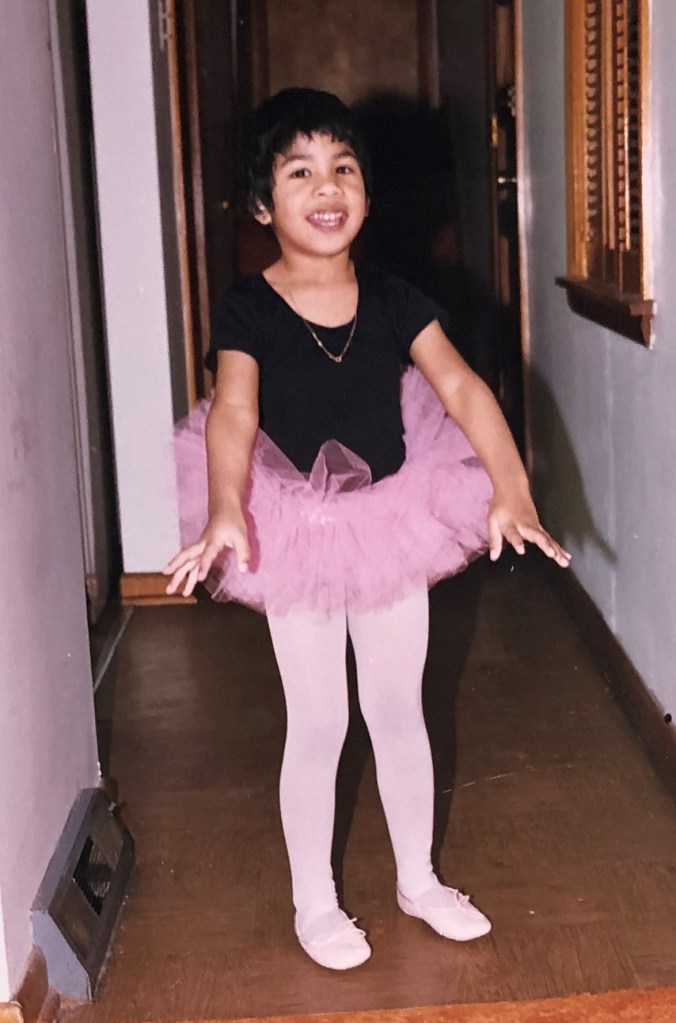
I have watched home videos of myself, a short-haired sprite with layers of 80s tulle frothing around me, jumping on the furniture, spinning myself and baby sister into unstable pirouettes for what seems like hours. (The atmosphere of 80s parenting allowed my dad, a gadget-happy photography enthusiast, to document it all on his RCA Camcorder, rather than interrupt for our safety). I have in seriousness questioned whether I had some sort of attention or hyperactivity disorder – so I can imagine that sourcing books for my many curiosities was evidence of my parents’ loving (or exasperated) dedication to me. At some point they must have given up on it,  and instead would come home with boxes of the books that the library was taking out of circulation. Brilliant! This should keep Thanya entertained for days! Perhaps long enough to fix the creaking sofa springs and vacuum up all the damned Barbie shoes left lying around to be stepped on.

In an attempt to dispel my boundless energy, my parents enrolled me in dance. Their other choice was karate. Apparently they picked ballet to make me more graceful….

As such I read all kinds of things – my parents likely thrilled because when I was reading, I was still (and quiet). I’m not sure if they took pause at the teen fiction that my 8 year old hands pulled out of the box, or if they were relieved because my 8 year old mind was reading well enough to sink into chapter books for longer stretches of time. I read about eating disorders, teen romances, horror, and… the bible. I read the bible as a child. Not because I, nor my family, were piously religious, but because it is quite the anthology of stories that could keep a highly active child puzzling over for weeks. I feel for my young parents though – this solution to keeping their furniture (and infant) intact was a partial one. It came with Questions. All of them. What’s anorexia? What does gay mean? It doesn’t make sense – how can God be Jesus, the Father, and the Holy Spirit all at once?

Bless them. My mother, a Filipina Catholic, answered my questions with an honesty that – looking back – makes my chest swell. I came home from kindergarten having heard the word fag, and asked her what it was. She said “it’s a cigarette. And also a bundle of sticks that people used to use to burn gay people on.” Perhaps it was in the chain of follow-up questions that she provided a definition of homosexuality, or perhaps some other time. But a lump rises in my throat to remember that she saw me, my curiosity, and my intelligence, as precious enough to take seriously. Not to sugar coat or deflect these big questions from my little heart. This child who at once wanted to throw her voice in a puppet show, and understand why some people wish harm on others.

I don’t remember my mother’s explanation of the religious dogma of Catholicism, but we were baptized, and initially enrolled in Catholic school. Though I think her relationship with God was deep and true (deeper and truer as her cancer became terminal, I suspect), she gave us a healthy space in which to ask questions. She took us to church, but also encouraged my father to take us to the Buddhist temple with him and learn about the religion he had grown up in. Perhaps she also had a healthy limit of patience for my many questions, and charged my dad with the shared responsibility for answering them. When I asked how there could be only One True God as the bible says, when Buddhism speaks of one too, he explained that Buddhism is a guide for how you live your life, and doesn’t mind how you think of your God. What clothes you dress “Him” in. Little Thanya took this in stride. Aha! That makes sense. We all dress God differently. Like my fanciful little Barbie clothes, all fitted to the same peach-coloured, hard-plastic likeness.

Not that I thought God was blonde, blue-eyed and leggy. I knew God heard me when I prayed. I figured God, Jesus, Buddha and all the rest sat in a council, leaning in to hear my supplications – that the hungry people my parents told me about would have enough to eat, that no one would make any more fires to burn people on, and that my dog Chaplin would not get heartworm. I must admit I most fervently prayed the last request, for at least a year after my parents sent Chaplin to live with another family. I don’t blame them for sending him away. Managing a 6-year-old, a 3-year-old and a cancer diagnosis proved too much for adequate puppy care.

Thanks Mummy. 100% the ringleader.

I’ve gone off on a tangent. Down memory lane. I had wanted to tell you why learning and unlearning is a theme I believe will thread through my writing. But perhaps it’s not wrong. I am learning about non-linearity. That the Truth doesn’t exist in a straight line, deduced from a sequence of events that happens one after the other. That spirals and circles yield patterns of their own – Truths that echo in wider and larger frequencies, like fractals (my fourth grade teacher introduced me to those! Sorry parents – I had so many questions about them then. It’s taken 25 years, but they’ve come back to me on a deeper level now). Learning defined me – my mother eventually made the decision to take me out of Catholic school, to get me into the gifted education stream the teachers said I needed. I am so grateful for her willingness, because it was a richly nurturing environment for my little budding personhood. I imagine she believed her love would be the environment I needed for my spirithood.

Pretty thrilled to be finished.

Learning so defined me, that when it became tied to achievement, at the high school, then university, then post-graduate levels, it threatened to take over my personhood. I didn’t have my mother by then, and she had charged me (lovingly, but also probably with the fear of a parent who had to let go of me too soon) with getting my education. My mother’s patient answering of questions taught me to value my own intelligence, but this certainly overshadowed and withered any other part of me that I figured was an unfortunate casualty of pursuing a Career.

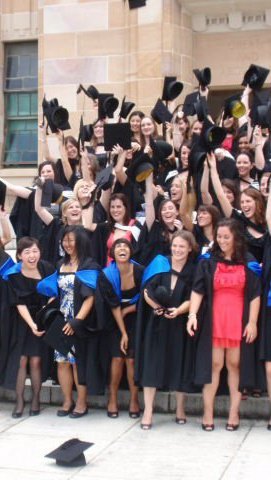
It tried, anyway. Spirithood seems to have a way to cling to life, though crinkled, browned, and sickly – like the sad little plants I forget to water that surprise me with their insistent stems. I saw my desire to feel connected to others – the partying, my love life, the increasingly tattered relationship to my family –  as gaping inadequacies in the person my mother had asked me to become. But I got there eventually. I threw a cap in the air and imagined her smiling down. And then I got to work.

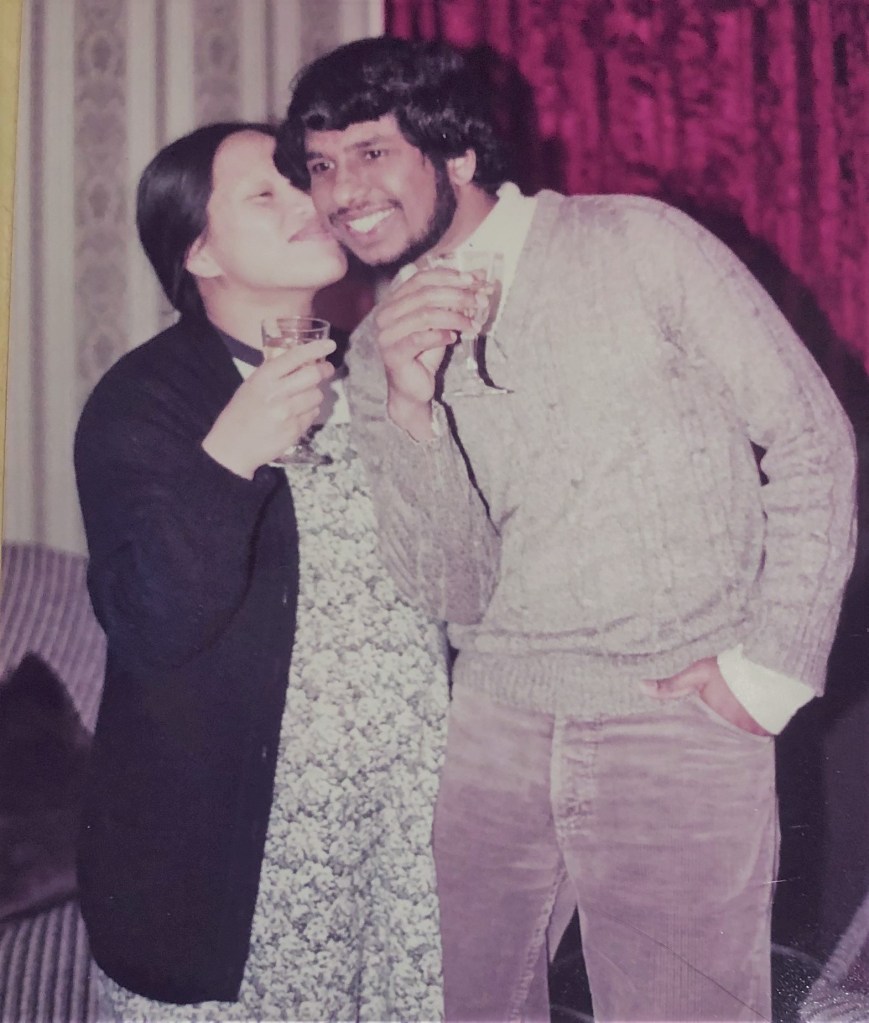
The other charge I had been given by my parents, who loved me so much they brought home boxes of books, indulged our wheedling cries for a puppy, and worked their souls from village life to first-world wealth, was to succeed. My parents are nothing short of immigrant magic. My father’s intelligence, scrappiness, and devotion to the western dream of Making It changed the trajectory of his life. He played boldly around elephants’ legs as a child, as his father worked them to clear coconut trees from the land for developers. And yet, by his effort and his sparkling intellect, he obtained an exclusive university education that allowed him to pack up and find work in England. He’d meet my mother there, who also left a family in the Philippines; the first daughter of a hopeful runaway bride, born to my grandmother at 18 after she eloped. Both my sets of grandparents eloped, actually. It’s romantic, perhaps; until I think about the restrictions of a society that set them on that path – for better or for worse.

Pure immigrant magic. Just look at them. (I’m in this picture too. Gotta assume that’s not alcohol in my mum’s glass!)

My parents made a life for us that neither of them could imagine when, and where, they were born into the world. They did it through education, hard work, and the endless depth of dreaming in their souls. So it’s little question as to what I knew I had to do once I’d finally graduated. Gifted with degrees in science, a license to a valuable career, and the unwavering financial support of my parents. Emotional support, though I know they offered it in their own way, was hard for me to recognize – remember, my spirithood was wilted and out of use. All I could feel was the weight of expectation. Perhaps their spirithood, too, had suffered in their quest to give me a good life; we all were frayed and deeply wounded, exposed like naked wires, sparking against each other.

And this is where I find myself now. A decade hustling to earn success, for my own self-worth and to deserve the sacrifices of my parents. 2 decades of learning everything I could from books, a decade of learning how to apply it all to make not just a living, but a mark. To be certified Excellent™.

This last course is tricky. You don’t get a grade, no matter how many assignments you complete or how late into the night your eyes widen, desperately trying to solve the equation of having it all. You don’t even have a rubric. Everything that has worked in the past, every skill and technique and study group that you’ve employed even just to scrape by with a pass, earns you redder and redder ink as you scramble to correct. It’s like a hall of mirrors, an experiment I remember from summer camp: goggles taped over in black, save for a prism attached over the eyes. At first you walk around, bumping into tables and chairs – until you realize the perception shift, and course-correct smartly, taking into account the bend in the light leading into your eyes. Except you’re wrong again. And you smash harder and harder into the walls around you every time you take a step. Try again. Wrong again. Bruises and walls and rising panic; suffocation as they seem to close around you. No one to help, no one to ask, no patient explanations or loving hands to grip and guide the way.

I can breathe now though. I may still have those goggles on, but I’m learning to close my eyes and listen. There are voices that are guiding me, calming and delivering me. They are telling me to stop. To UN-learn. There are teachers in this work, and their voices soothe me. They pace my breathing and strengthen my hands, sharpen my sense of touch. They coax me. Soften my trust in feeling my way around. Like the books that my parents gifted me, they call me to be quiet and still. Unlearn. Listen. There is a voice to lead me through. A voice that will connect me though I feel alone against these walls, clumsy and unworthy and trapped. It’s mine. I can’t be the only one here with goggles on. I will listen and call out and see who else is there, as lost and confounded as I am.

So here I am, perhaps standing stupidly alone, wondering if this course was worth the tuition at all. Listening and unlearning, wondering if it’s too late to drop out and go backpacking instead. I wonder if you have constructed me now, in your mind, those of you who could follow me this far – piecing me together from my messy metaphors, Picasso-esque. I wonder what I look like to you. You can see my face in the pictures, my real name and my words. I hope you’ll give me the benefit of the doubt. It’s a much harder thing to unlearn than to learn, and the books are newly written or not yet even dreamed up. I have work to do, in every way.

But I have big beliefs that I think existed, in my spirithood, from long before my education. No one deserves to be burned. Everyone is good. Everyone is hurt. Everyone deserves joy and peace. Everyone deserves to be called to as they bump and crash and fight their way along. The silence around their wounds pierced, to draw in fresh air, to scab; perhaps to scar. To heal.

Photo by Dobromir Hristov on Pexels.com

TD

A letter to those that know me

To my friends and family, acquaintances and colleagues who might come across this blog: I want you to know why I am writing. I have been writing since I was 6 years old. Those diary entries were about school yard games, a friend who lied to me, and eventually about my mom getting cancer. Writing in my diary was how I screamed without screaming. I filled so many diaries with my secret voice, it started to diverge from the one that sang in the choir and laughed with friends. It grew like Jack’s beanstalk and I kept it hidden away, afraid it was too grotesque for the real world. I’ve often felt like there was a “real me”, the one atop the beanstalk, accessible through my writing or behind my teenage slammed door. And even that inner voice couldn’t mouth into words the ugliest wounds I had.

So you may not recognize this person writing, even if you’ve known me my whole life. I haven’t lied to you, I just haven’t shown you my whole self. I caught on pretty early to the type of girl who people wanted to be around; cheerful, friendly, playful, fun. Screaming tends to frighten off friends, worry parents, get in the way of achieving all those things that make one an Excellent Human Being.

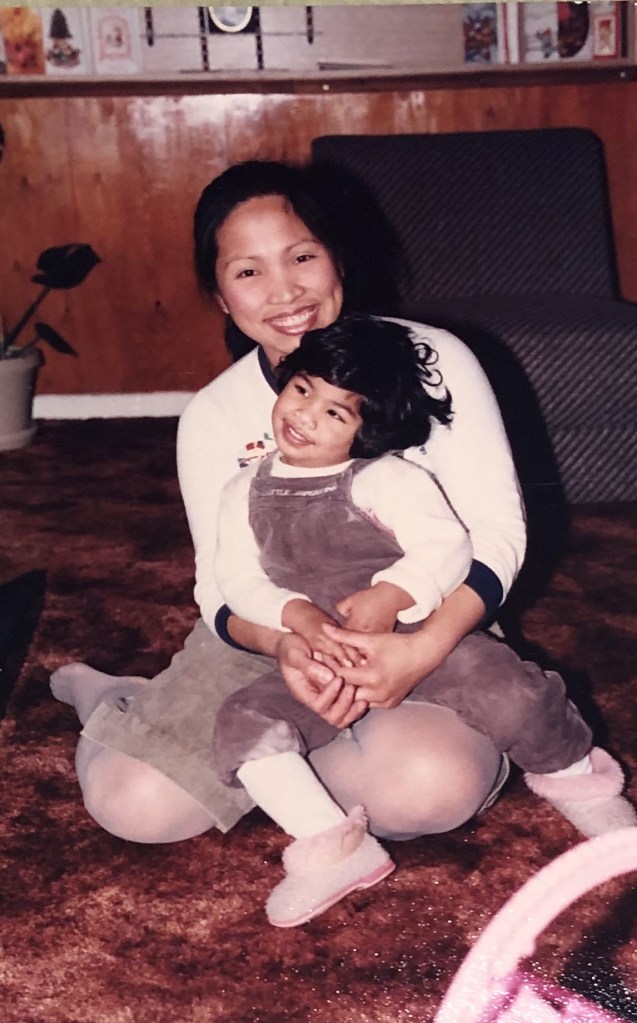
me, mum, and every 80’s shade of brown (ha). I wish I’d inherited her dimples!

At some stage I even fled like Jack from my own voice, chopped down the beanstalk and buried this inner version of me. It happened unbeknownst to me, swept into adulthood with its outer quests for self-definition. I’ll be a doctor – no, a teacher – a girlfriend – independent – party girl – career woman – strong. I still had a secret me, but I thought she’d be easier to ignore if I kept myself too busy to write. Besides, alcohol can tend to wounds too – a nightlife does wonders to alleviate self-pity. So does self-mutilation, and a constant race against impostor syndrome.

There were one or two people who recognized that my writer’s voice was the one that let me be whole. Teachers. Mrs. Geh, whose belief in my writing etched itself in my psyche, when, in 5th grade, she announced to the whole school that I’d have my name on the spine of a book one day. Mrs. Andre-Barrett who told me that dropping her Creative Writing class to get higher grades in Biology was selling my soul. I don’t know if either of them were right, but I have held onto those words like a lifeline. Hoping that they would lead me to discover this person I both ran from and searched for.

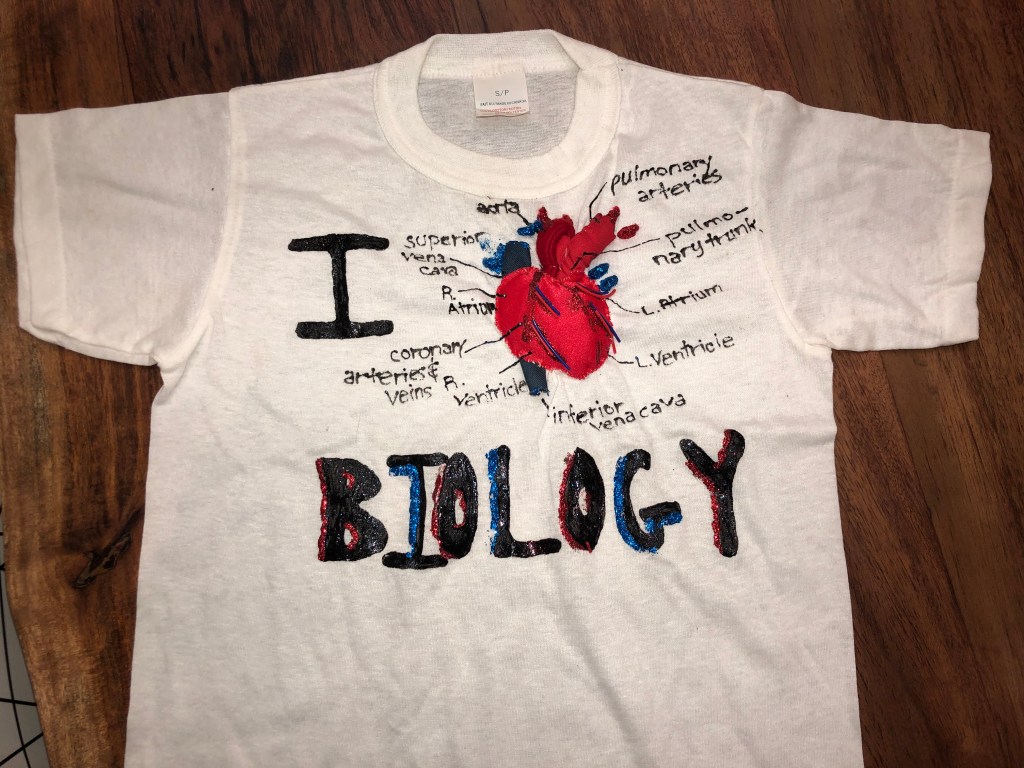
A (very tiny) T-shirt I made for extra credit. I know. I just… I know.

I’m going to write honestly. It’s time to put those ugly things into words. I am terrified. My whole body feels like a cage, like an exposed nerve, when I imagine what might happen: my words might hurt people. I’m afraid of writing about my culture(s), my family, my trauma, my society. I am afraid to alienate people with my ideas and my questions. I am afraid to anger and upset people with my truth.

If I dig deeper, that fear is of being rejected, being unloved and abandoned by those I’ve charmed into knowing me. I’ve drawn people close with a half-version of me; will they leave when I uncover the whole one? See how one’s imagination can run away with itself.

I take a deep breath. If I shake this thought, I know what might be possible: a reunification of self. A stitching together of inner and outer; connectedness; freedom. And within this, the little seed of hope: that my inner voice might reach others who feel abandoned and alone, and set them free as well. I want nothing more than to be my most joyful, to make others laugh and dance all night to heart-thumping jams. And I wish that for everyone, especially if their wounds are raw and open. Their voices knotted silent, or their diary pages shredded by the weight of pressures unrelieved. This is why I’m writing. I hope you’ll stay.

Photo by Akil Mazumder on Pexels.com

Who Am I?

They say this is a good first blog post.

My “About” section went through some excruciating revisions, beginning with “I think too much and feel a lot. You might find me interesting.” It made me want to vomit in my mouth a little bit; how do I explain what I’m ABOUT when that is truly the reason I wanted to start a blog? To FIGURE OUT who I am?

Photo by Nick Bondarev on Pexels.com

I was inspired to do better by a beautiful friend, who exists for me in a very specific context: we sat beside each other every Wednesday evening at the front desk of a yoga studio for 6 months, buoyed in the aroma of essential oils, late afternoon light, and cheerful conversation. We are both Pisces, so our hearts live on our sleeves; and although that 6-month stint ended many years ago now, and truthfully, we don’t know anything else of each other’s lives, she is dear to me as a companion and inspiration. She’s a writer. A wonderful one (www.maialeggott.com – go check her out!), and the crucial missing element of my “About Me” widened its eyes at me from every post on her Instagram page. Honesty. Devastating honesty, the kind that requires equal parts courage and recklessness. Like cliff-diving into a frigid body of water.

So here goes. Who am I? I am an immigrant first born daughter. I’ve somehow made it to my mid-thirties, pressed along at breakneck speed by determination, privilege, the sacrifices of my hardworking family, and the wide open sky in a country full of promise. In the process I’ve been buffeted, squeezed, bruised and stretched. I find myself climbing out from under the weight of compounding colonial structures and societal expectations. Scratching that great blue skyscape to find out it’s painted onto a tacky piece of plywood, nailed onto the ceiling of a small and disheartening box.

My fugue state, my identity crisis, may have always existed, though it’s maturing now. It can look itself in the mirror and caress all its wrinkles, narrow its eyes and wonder which ancestor it takes after. But I’ve been a question mark my whole life. I am mixed – half? – though I don’t think I’d separate easily. I keep trying to isolate solvent from solution but I’m all shaken up. Filipina and Sri Lankan, two cultures that occupy the same place in the world’s imagination (“third world”, “exotic”). Two cultures that express love, faith and community in beautiful ways, and their colonization in ugly ones. “Where are you from?” I have only ever answered Canada, because that is the page on which these two paint colours were splashed – but it is strange to pay more attention to the whitespace than the art.

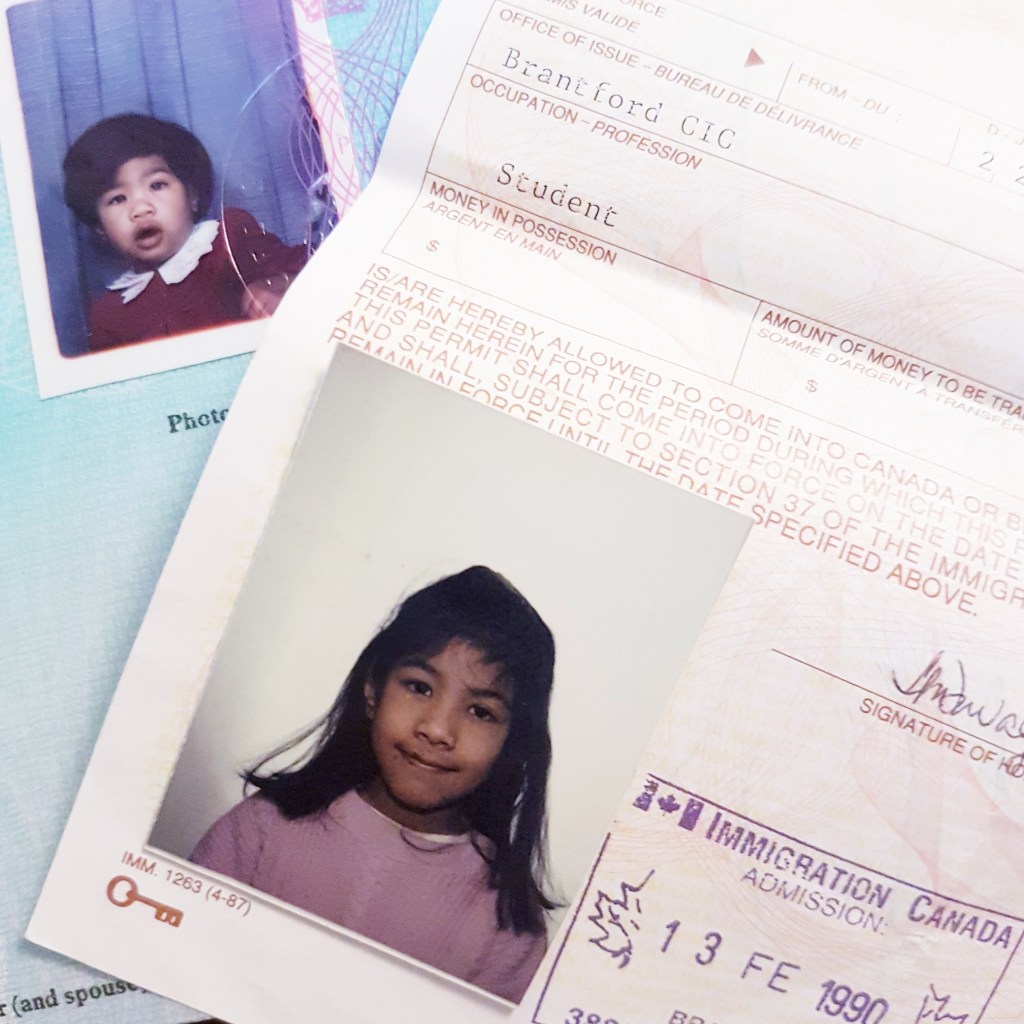
Occupation: student. That key symbol feels poetic; way to go, Immigration Canada!

Whitespace feels apt. The unseen backdrop against which we create. Like water to fish: the whiteness of where I live. How I live. This is a new space of learning for me, and I have work to do. I’m learning to understand how this western context I’ve been swimming in has infiltrated me, has infiltrated all of us – in good ways and terrible. How it’s given me my favourite gift: science. Scientific thought, rigorous truth testing, study, learning – it has always been a part of who I am. Curious. I’ve prized it. What I haven’t valued, what I’ve lost and am starting to uncover again, are the parts of me that society has taught me don’t belong. Spirituality – knowing my own divinity, Truth, intuition. Creativity; the non-linearity, the flow, the kind you don’t want to capitalize from as your side hustle. My voice: the way it flows out of me, uninhibited, self-assured, pen to page and symbol to screen. This is my space to cultivate it. I’ll let it lead the way.

TD